
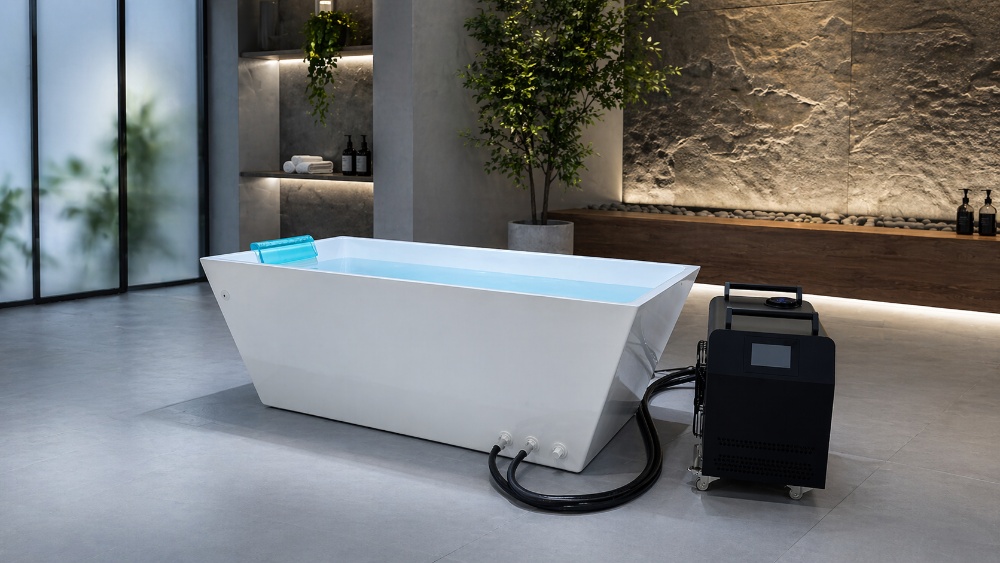
Cold plunge therapy has turned into a useful recovery and wellness approach for athletes, fitness user, spas, wellness centers, and home recovery spaces. It calls for brief, controlled immersion sessions in cold water, often in a tub made to hold water temperature steady. The aim is not to bear the cold for the longest time. Instead, a good routine relies on proper temperature, a reasonable session length, clean water, and a solid grasp of personal health boundaries.
For many users, a cold plunge provides a more handled experience than a plain ice bath. Rather than adding ice and guessing the water temperature, a specially designed system can assist in keeping the session steady. Even so, the key idea stays unchanged: cold exposure needs to be step-by-step, measured, and tailored to the user. It should not be pushed into a harsh routine.
What Is Cold Plunge Therapy?
Cold plunge therapy is a type of cold water immersion where the body goes into chilled water for a brief span. People often use it after workouts, sauna times, or daily wellness habits. The method might aid recovery ease, mental sharpness, and a planned reset after bodily strain. However, it should not be seen as a medical fix.
A standard session means sitting or standing in cold water while breathing in a slow and steady way. When compared to a cold shower, full-body immersion covers a bigger body area with cold water. That greater exposure is the reason why temperature and time require careful handling.
Cold Plunge, Ice Plunge, and Ice Bath: Are They the Same?
These terms get mixed up often, but they do not always point to the same arrangement. A cold plunge typically means a specific tub with managed water temperature. An ice plunge might mean colder immersion using ice or a cooling unit. An ice bath usually describes a tub or holder filled with water and ice.
For rare use, a basic ice bath could suffice. Yet, for regular use in a home, gym, hotel, spa, or rehab area, a dedicated system tends to be more practical. This is because it can handle temperature, water movement, filtration, and upkeep in a more reliable manner.
Main Benefits of Cold Water Immersion
Cold water immersion draws attention because it meets several user demands: post-workout recovery, mood support, natural energy, better daily rhythm, and routine-based wellness. The gains differ from person to person. Results hinge on temperature, timing, exercise level, and health state.
Post-Workout Recovery and Muscle Soreness
Following tough exercise, many users pick cold water exposure to deal with post-training unease. The cooling impact could help create a more comfortable recovery stage by lessening the sense of warmth and weight in weary muscles. This explains why cold tubs appear often in gyms, sports groups, therapy centers, and athlete recovery zones.
Still, timing is crucial. Some users focused on strength skip cold immersion right after specific muscle-building sessions. This is because very cold exposure might not match every training aim. For overall soreness, endurance workouts, or frequent sport habits, a managed session could prove helpful when it aligns with the wider recovery strategy.
Mental Alertness and Daily Reset
Cold exposure can trigger a keen sensory reaction. Users frequently report feeling more alert after a session. This partly accounts for why cold tubs now show up in wellness areas, not just in sports settings. A quick session before work, after a sauna, or at the close of a training day can turn into a habit that shows discipline and recovery.
That noted, mental alertness should not be mixed up with care for stress or anxiety issues. A cold habit might boost a sense of focus for some users. However, those with health worries need to consult a skilled professional before beginning.
Better Sleep, Mood, and Natural Energy
Many users also connect cold water immersion with better daily rhythm, elevated mood, and a cleaner sense of natural energy. These effects are personal and should not be presented as medical outcomes. In a safe routine, a short cold plunge may support alertness after waking, relaxation after sauna use, or a more structured recovery habit after training.
Resilience and Metabolic Response
Cold exposure can place a controlled stress on the body, which is one reason some users associate it with stronger resilience and improved recovery discipline. It may also create a short-term metabolic response as the body works to manage temperature change. The key is control: moderate water temperature, short session time, and clean water make the routine easier to repeat safely.
A More Consistent Wellness Routine
The top value of cold exposure often stems from regularity. A routine that can be repeated is simpler to handle when the water temperature stays steady, the tub remains clean, and the setup avoids needing lots of ice each time. For business operators, this also ties into service. Clients expect the water to be prepared, clean, and expected.
Risks and Safety Factors You Should Know
Cold exposure puts stress on the body. That forms part of why users look for it. But it also explains why safety is vital. A safe cold plunge routine starts with awareness of personal health, not with a target time spotted online.
Cold Shock and Breathing Response
Stepping into cold water too quickly can lead to a sudden breathing shift, muscle tightness, and a quicker heart rate. New users should enter at a slow pace. They need to keep initial sessions brief. And they should concentrate on even breathing. The water ought to feel tough but not too much.
If breathing gets hard to manage, the session must stop. Forcing through strong discomfort does not signal improved recovery. It raises risk and lowers the routine’s worth.
Who Should Be Cautious?
Individuals with heart disease, blood pressure problems, circulation issues, cold sensitivity, pregnancy, a past of fainting, or major ongoing conditions should check with a healthcare expert first. Cold exposure might not fit every user.
Commercial buyers should think about signs, staff advice, emergency steps, non-slip floors, and electrical safety near water too. A wellness spot or gym has to consider more than the tub alone. The entire use setting is important.
Common Mistakes to Avoid
The usual newbie error is aiming for the coldest water possible. A lower temperature is not always superior. Another mistake is remaining in too long, particularly in early sessions. Weak water upkeep is a worry as well. Without filtration and steady cleaning, the experience turns less clean and less fit for ongoing use.
What Temperature Is Best for Cold Plunge Therapy?
No one temperature works perfectly for all users. The proper range relies on experience, body size, tolerance, health state, and session aim. Beginners need to begin with moderate cold water before shifting to lower levels.
Beginner Temperature Range
For many fresh users, a range near 10–15°C / 50–59°F proves more doable than very low temperatures. This lets the user develop breathing control and body awareness without adding needless stress.
The main aim is adjustment. A beginner should end the session feeling tested but steady. If a user senses dizziness, odd numbness, or cannot breathe calmly, the water is too cold, the session is too lengthy, or both apply.
Intermediate and Advanced Use
Seasoned users might select colder temperatures for briefer periods. Even so, it is wiser to change one element at a time. Dropping the temperature and extending the time in the same session can make the reaction tougher to handle.
Facilities need to account for user variety too. A temperature setting that fits an athlete might not suit a first-time spa guest. Because of this, tubs with exact temperature control help in shared wellness spots.
Why Temperature Control Matters
Steady temperature marks one of the largest gaps between a casual ice setup and a specially built system. Ice melts. Water temperature shifts. The first user and the last might not share the same experience.
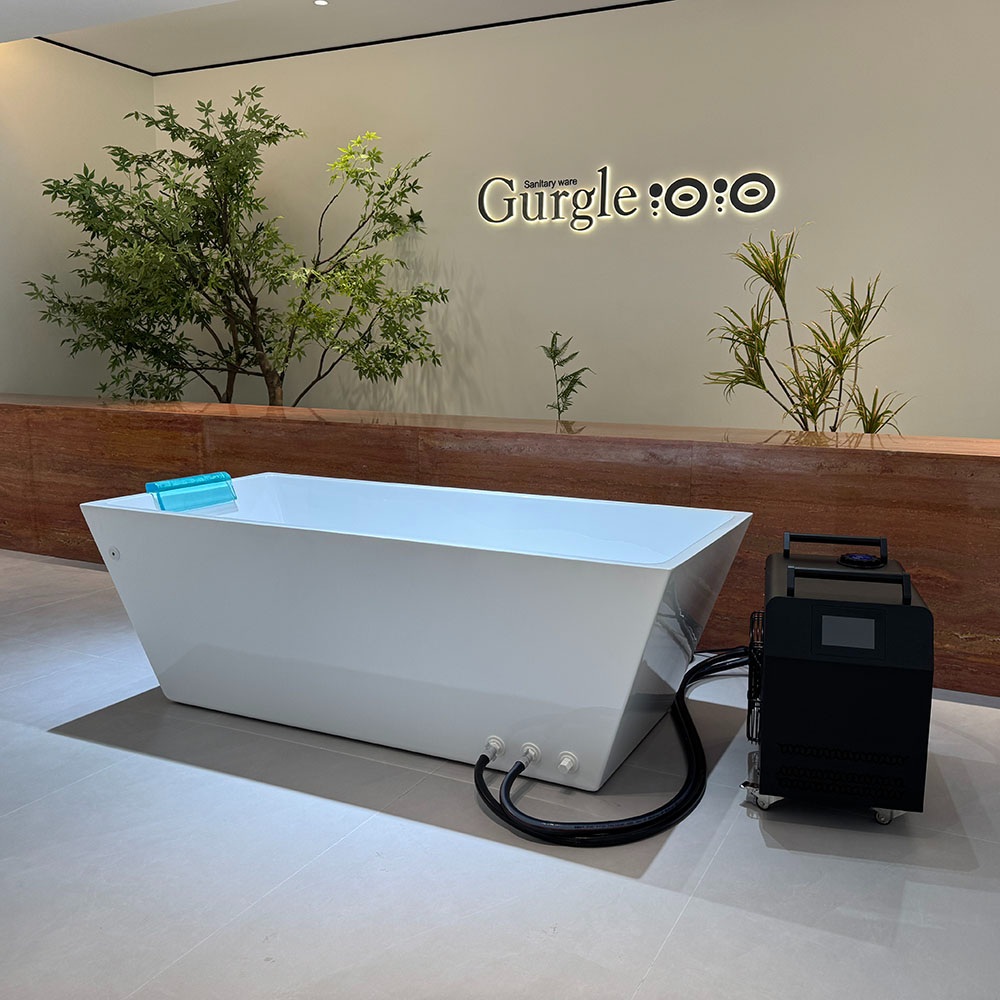
For users who require a more managed setup, the Cold Plunge Tub With 1HP Chiller supports a 3–42°C adjustable temperature range, WiFi remote control, touchscreen operation, and dual hot and cold functions. Its 300L–495L capacity and acrylic body make it suitable for different home and commercial layouts without turning the article’s main point into a product pitch.
How Long Should You Stay in a Cold Plunge?
Time holds as much weight as temperature. A brief, repeatable routine often proves more beneficial than an extreme session that cannot last.
Beginner Session Time
Beginners can begin with 30 seconds to 2 minutes, based on water temperature and personal reaction. The early sessions should stress breathing and safe exit, not staying power. Once the body adjusts, users can gradually add time.
A practical rule is straightforward: stop before losing control. Shaking, rigid movement, dizziness, chest unease, or muddled breathing signal the need to leave the tub.
Typical Time for Experienced Users
More skilled users commonly remain in cold water for about 2–5 minutes. Longer sessions are not always superior, especially at lower temperatures. In business wellness settings, shorter guided sessions might be simpler to handle and safer for a broader user set.
Session length should also fit the purpose. Post-training recovery, sauna contrast, morning sharpness, and general wellness could require varied routines.
Cold Plunge vs Ice Bath for Daily Use
A standard ice bath can serve for occasional recovery, particularly when cost and ease are key. The user adds ice, waits for the water to cool, and enters when the temperature seems correct. This way is adaptable but less exact.
For repeated use, the downsides stand out. Ice needs buying, storing, and adding. The temperature alters during the session. Water care relies on hand cleaning. For business use, that builds operational strain.
A dedicated cold plunge gives a more stable method. Chilling, circulation, filtration, ozone sanitation, and insulation can back a cleaner and more repeatable routine. This explains why many home users, gyms, hotels, and spa managers now weigh DIY ice setups against professional cold tubs before picking their lasting solution.
What to Look for in a Cold Plunge Tub
A cold tub needs judging by more than looks. For everyday use, the vital factors include temperature steadiness, water upkeep, insulation, safety, and access for maintenance.
Accurate Temperature Control
The system should let users or operators set a target temperature without depending on estimates. A chiller with cold and heat functions can also render the tub more adaptable across seasons and user tastes.
Filtration and Ozone Sanitation
Water quality impacts user comfort and maintenance work. A filtration system assists in clearing visible bits, while ozone sanitation can aid cleaner water handling when part of a correct care habit. These traits do not erase the need for regular upkeep, but they can lighten the load of frequent water changes.
Insulation and Cover Design
Insulation aids in cutting temperature loss, especially for outdoor or partly outdoor setups. A thermal cover also assists in guarding the tub when idle. This affects energy use, water cleanliness, and daily running.
Material, Safety, and Custom Fit
Acrylic stays a practical choice because it provides a smooth surface, design options, and a comfortable feel. For commercial buyers, size picks, finish selections, packaging quality, certification aid, and after-sales service also shape lasting value.
In the midst of a sourcing choice, Gurgle can assist buyers who seek cold tub, bathtub, spa, and sauna-linked solutions from one making partner. For projects with exact size, color, mold, or appearance needs, OEM/ODM support might also help match the product to the target market.
How to Build a Safe Cold Plunge Routine
A solid routine should be basic enough to repeat. Begin with a moderate temperature. Hold the first sessions short. Use clean water. Leave before symptoms grow uneasy. Warm up step by step after the session with dry clothes and gentle movement.
For facilities, the routine should cover user checks, clear advice, cleaning plans, and staff training too. A cold tub is not just a product. It forms part of a handled recovery setting. When buyers assess equipment, they need to consider how people will enter, exit, clean, control, and maintain the system over time.
Final Thoughts: Controlled Cold Therapy Works Better Than Extreme Cold
Cold plunge therapy can back a structured recovery and wellness habit when temperature, time, and safety get handled with care. The most helpful method is not the coldest water possible or the longest session. It is a managed system that lets users repeat the routine with assurance.
An ice plunge or ice bath might fit occasional use. A dedicated cold tub becomes more practical when stable temperature, filtration, sanitation, and daily running are keyFor homes, gyms, hotels, spas, and wellness facilities, a more practical investment is often the system that makes safe, repeatable use easier over time.
If you are setting up a home recovery space, gym update, spa project, or private wellness area, contact us to talk about a cold tub arrangement that matches your temperature requirements, layout, and usage plan.
FAQ
Q:How cold should a beginner cold plunge be?
A:Many beginners start around 10–15°C / 50–59°F because this range is cold enough to create a clear response but usually easier to manage than near-freezing water. The exact temperature should depend on personal tolerance and health conditions.
Q:Is a cold plunge better than a regular ice bath?
A:A cold plunge is usually better for repeated use because the water temperature is easier to control, and the system may include circulation, filtration, sanitation, and insulation. A regular ice bath can still work for occasional use, but it requires more manual effort.
Q:How often should someone use cold plunge therapy?
A:Frequency depends on the user’s goal, health condition, and recovery needs. Some users practice several times per week, while others use it after intense training or sauna sessions. Beginners should start gradually and avoid forcing daily use before the body adapts.


