
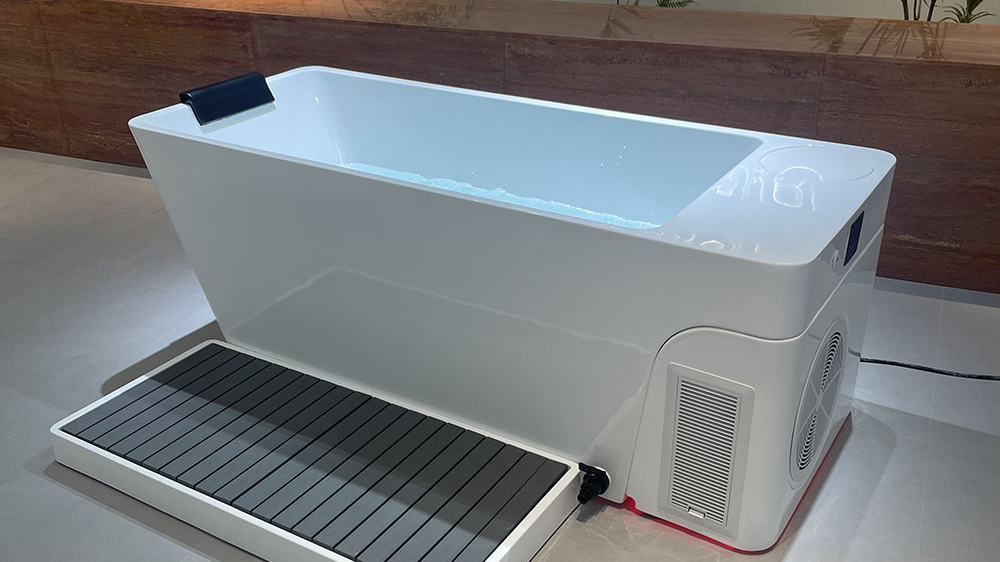
Before a buyer asks about control panels or finish, an all-in-one cold plunge has to pass a few plain site checks. It is a filled acrylic vessel, a cooling unit, a drain point, and an electrical appliance sitting in a wet room. That mix affects floor loading, access routes, daily water care, packaging, and service clearance. For gyms, spas, wellness studios, and premium residential projects, an acrylic all-in-one cold plunge can make sense because it gives a clean shell and manageable surface care without separating the chiller into another room. Still, the model has to fit the room and the staff routine. Start with material and dimensions, then check volume, temperature range, side clearances, maintenance tasks, documents, and transport risk.
Why Buyer Checks Start With Site Conditions
Many cold plunge problems start before installation. The unit may look compact in a product image, then meet a narrow doorway, a sloped floor, or a wall that blocks the equipment side. A project buyer has to map the route from unloading point to final position, confirm that the loaded floor can take the weight, and leave service space for drainage and airflow. If those items are unclear, finish choices can wait.
Electrical planning deserves early attention because cold plunge equipment sits close to water and users. General wet-area guidance from the U.S. Consumer Product Safety Commission reminds facility teams to keep electrical systems, outlets, cords, and nearby equipment under qualified review before use. That guidance is not a product test for any single tub, but it is a useful safety frame for site planning, especially in spas, gyms, wellness clubs, and hospitality bathrooms.
Acrylic Shell, Water Volume, and User Fit
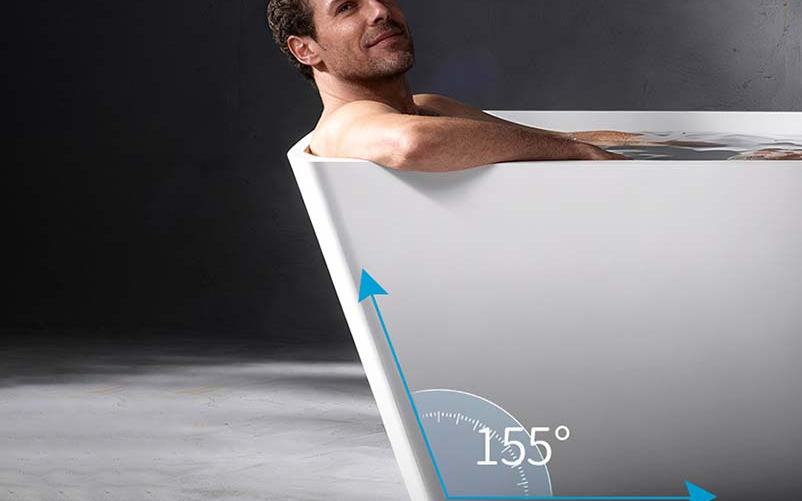
Acrylic is often chosen for a smooth shell, a lower handling burden than many heavier stone-style tubs, and daily cleaning that feels familiar to hospitality teams. It still needs a grounded review. The purchase file should cover shell support, finish options, service access, and the way the integrated equipment sits around the tub body. A neat exterior helps, but handling, cleaning, and long-term operation carry more weight in the buying decision.
After those site requirements are clear, Gurgle can be reviewed as a supplier option for cold plunge projects where the buyer needs an acrylic shell, integrated cooling equipment, and a product conversation tied to actual dimensions and site access.
The Trapezoid Acrylic All-in-One Cold Plunge uses a 100% pure acrylic sheet shell and a 1950 x 800 x 710 mm body. Its 380-460 L capacity places it in a larger single-user range. That matters for user comfort, filling routines, water replacement, and the strength of the installation floor before drawings are finalized.
Specifications Buyers Should Confirm Before Drawings
These specifications are the starting point for drawings, site checks, and supplier discussions. Reconfirm them on the selected model before ordering, especially when the destination market, plug requirement, package route, or customization request changes.
- Product type: acrylic all-in-one cold plunge tub
- Material: 100% pure acrylic sheet
- Dimensions: 1950 x 800 x 710 mm, about 78 inches long
- Water capacity: 380-460 L
- Temperature range: 2 to 42 C, or 35.6 to 107.6 F
- Chiller: 1.0 HP integrated cooling system
- Product weight: 180 kg
- Controls and water care: Wi-Fi mobile app control, ozone sterilization, and 20 micrometer filter cartridge
- Packaging: cardboard box with wooden frame packaging
- Warranty: 1 year
For procurement teams, these details turn a product choice into a workable project file. Weight affects delivery access and floor checks. Capacity affects filling time, water management, and cooling demand. The temperature range helps define whether the unit is being bought for cold recovery, warmer bathing, or a mixed wellness setting. Control and filtration details shape the operator questions that need answers before the order is placed.
Treat certificates and compliance files as current documents, not broad marketing claims. Request current CE, cUPC, and RoHS documents for the selected model and destination market. ISO 9001-related information is better reviewed as factory quality management evidence unless a separate model-specific file says otherwise.
Installation Planning: Drainage, Airflow, and Electrical Safety
Freestanding cold plunge installation needs room for users, service staff, and equipment airflow. This model calls for 12 inches of space on the drainage side and at least 39.5 inches on the air vent side. Those clearances belong in the project drawing early. In tight rooms, a late clearance check can lead to awkward cleaning, heat buildup, or service panels that are difficult to reach.
Drainage also needs early coordination. A cold plunge may be filled, topped up, cleaned, or drained more often than a decorative bathtub. The drain route should be reachable, safe for wet operation, and compatible with the site’s floor finish. In hospitality or commercial wellness settings, staff should be able to drain and service the unit without moving heavy furniture or blocking guest areas.
Chiller handling belongs in the purchase discussion, not only in after-sales notes. Project notes for cold plunge equipment point to upright transport, a stable surface, suitable power, and dry placement. After transportation, the chiller needs time upright before use so the refrigeration system can settle. The buyer also has to confirm local voltage, plug type, extension cable rules, ground-fault protection expectations, and staff procedures before users enter the water.
Water Care, Controls, and Routine Maintenance Questions
Water-care features are operating tools, not shortcuts around maintenance. Ozone sterilization and a 20 micrometer filter cartridge can support cleaner water management, but the facility still needs a routine for filter checks, water changes, surface cleaning, and staff training. For commercial use, the purchase file often becomes the first draft of the operating checklist.
Wi-Fi mobile app control can make temperature checks easier when operators manage several rooms or a scheduled recovery area. Still, the team needs answers to practical questions: what happens after a power interruption, where fault information appears, and what manual backup steps exist if the app is unavailable. Smart control helps, but staff should not depend on it as the only way to understand the equipment.
Cold environments add another maintenance point. If the equipment is used where temperatures can fall below freezing, project instructions should cover draining and winter protection so water does not freeze inside the machine. This matters for seasonal facilities, outdoor-adjacent wellness spaces, or storage periods between events.
Packaging, Transport, and Document Requests
A 180 kg acrylic cold plunge needs more than basic carton protection. Cardboard box and wooden frame packaging give the buyer a packaging baseline, but the route is just as important. Long-distance transport, warehouse handling, site unloading, and final room access all need review before the purchase order is released. A tub can leave the factory well packed and still face damage risk if the delivery path has narrow turns, low elevators, or weak handling plans.
Before shipment, buyers should ask for a packing photo or packing method confirmation, gross package details when available, accessory list, manual, warranty statement, and current certificate files. If the project needs color, finish, appearance, or dimensional discussion, an OEM/ODM discussion should happen before the quotation is locked, not after the first production decision has been made.
Where This Acrylic All-in-One Cold Plunge Fits Best
An acrylic all-in-one cold plunge is easier to specify when the project wants a self-contained unit instead of a separate tub-and-chiller layout. Good fits include recovery rooms, boutique fitness facilities, wellness studios, hotel spa areas, resort villas, and premium residential wellness spaces. The fit is strongest after floor capacity, power, drainage, ventilation, and service access have been checked.
It may be less suitable for rooms with tight equipment clearance, weak floor structure, uncertain electrical protection, or no practical way to drain and clean the unit. These limits do not make the model unsuitable in general. They simply mean the purchase should wait until the project team checks the site against the tub’s dimensions, weight, ventilation space, drainage side, and operating routine.
Final Buyer Checks Before Inquiry
Before sending an inquiry, confirm product size, water capacity, temperature range, weight, finish direction, chiller power, drainage-side clearance, air-vent clearance, control method, filter and ozone setup, packaging method, warranty period, and certificate files for the destination market. These checks keep the conversation specific and reduce the chance that a good-looking cold plunge becomes difficult to install or operate. If the site is still changing, hold the final model decision until the room layout is stable.
For project-specific questions about finish, size, packaging, certificates, delivery access, or customization limits, buyers can contact the Gurgle team before finalizing the order.
FAQ
Q:Is acrylic a suitable material for an all-in-one cold plunge?
A:Acrylic can be suitable when the project needs a smooth shell, manageable care, and a clean commercial look. Buyers should still confirm shell support, weight, finish, equipment access, and the actual specification of the selected model.
Q:What site details should be checked before ordering this cold plunge?
A:The main checks are floor capacity, door and corridor access, drainage route, nearby power, air-vent clearance, drainage-side clearance, staff service space, and whether the room can support routine cleaning and water-care work.
Q:Should buyers request certificates before purchase?
A:Yes. Buyers should request current CE, cUPC, and RoHS documents for the selected model and destination market, together with relevant factory quality management information and the manual or warranty file needed for procurement review.


